Current news and events

9 million NOK in HSØ funding for the project Navigating the Tunnel

Emma Lång
Emma Lång

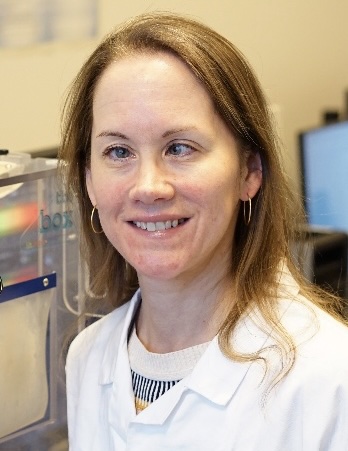
Emma Lång, member of the "Cell and tissue dynamics research group" at the Department of Microbiology, has received 9 million NOK in funding from Helse Sør-Øst RHF for her project "Navigating the Tunnel: Keratinocyte Dynamics & Therapeutic Targeting of IL-17 in Hidradenitis Suppurativa".

This interdisciplinary study aims to uncover the underlying cellular mechanisms of the chronic inflammatory skin disease, Hidradenitis Suppurativa (HS). HS is a debilitating disease that severely impacts patients’ quality of life, with current treatments being insufficient and late diagnosis complicating care.

20 January 2026Webinar: Predi-Lynch Round

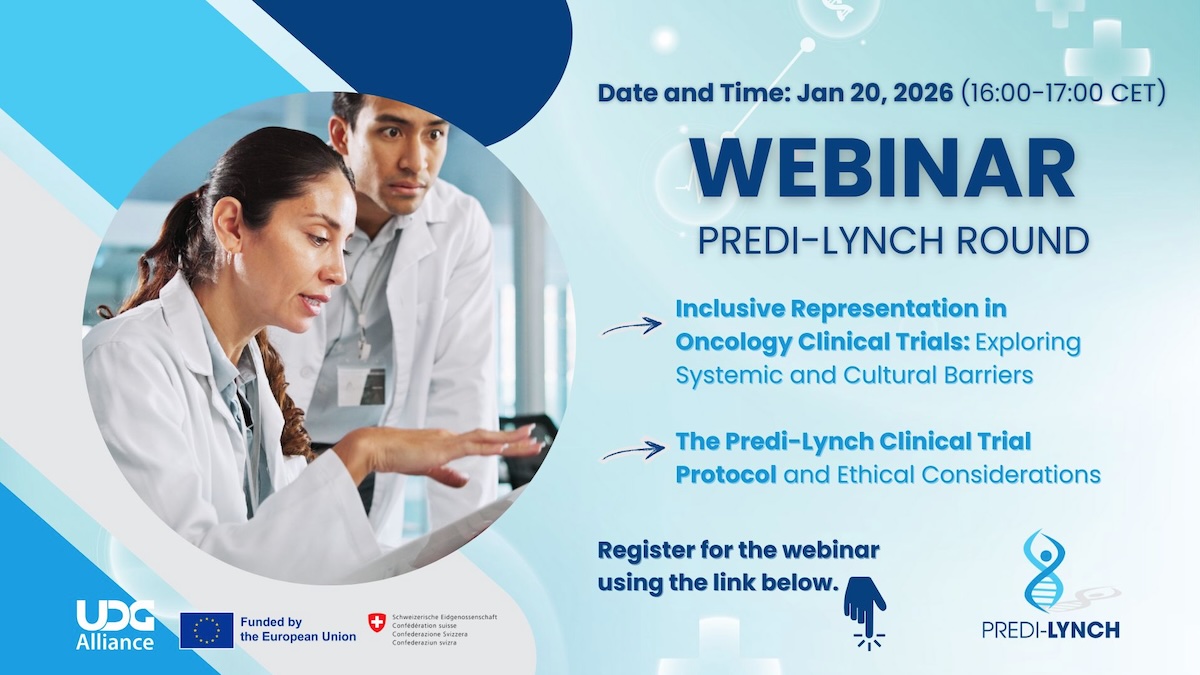
On 20 January 2026, from 4:00 to 5:00 PM (CET), Predi-Lynch will host its first public Predi-Lynch Round, an online webinar organised by UDGA and UGR, focused on key challenges in oncology clinical research and ethics.

The session will open with a short introduction by Mev Dominguez-Valentin and will feature two expert presentations. Isabel Briz Hernandez will explore inclusive representation in oncology clinical trials, addressing systemic and cultural barriers to equitable participation. Nourredine Ait Rahmoune will present the Predi-Lynch clinical trial protocol, with a focus on ethical considerations.

The webinar will conclude with a live Q&A, creating space for discussion and exchange among participants.

Regional research funding to Lorena Arranz:9 million NOK to the NEUROTARGET project

Lorena Arranz
Lorena Arranz

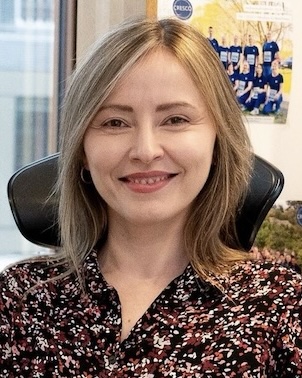
Lorena Arranz, leader of the Stem Cells, Ageing and Cancer research group at the Department of Microbiology and Deputy Centre Director of CRESCO, has received 9 million NOK in funding from Helse Sør-Øst RHF for her project NEUROTARGET: The nervous system as a druggable vulnerability in myeloid blood cancers.

Helse Sør-Øst RHF has awarded regional research funding to 96 research projects starting in 2026. The projects cover a wide range of disciplines and aim to contribute new knowledge and improved patient care. Lorena Arranz received funding from the thematic open structure, available to all research areas in the specialist healthcare services.

The Pseudovax trial featured on national television

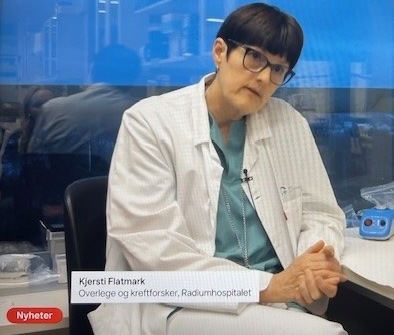
Kjersti Flatmark during the TV2 interview

Before the Christmas break, the major Norwegian TV channel TV2 visited the Radium Hospital to learn about the Pseudovax trial. The first patient that recived the vaccine, Mette, was the main focus, together with comments from general secretary Ingrid Stenstadvold Ross in the Norwegian Cancer Society and Kjersti Flatmark, one of the lead investigators of the study. 
The Pseudovax clinical trial will evaluate a novel cancer vaccine developed at the Norwegian Radium Hospital specifically for patients with Pseudomyxoma peritonei (PMP) . 
"If the vaccine proves to be effective, we hope that this could become an new treatment option for patients with PMP who are not cured by surgery", Flatmark says.

Link collection - current news:News stories involving OUS researchers

Recommended sites for current research articles:

From Oslo University Hospital, in Norwegian:
OUS Innsikt – ny forskning, innovasjon og behandling - channel for science communication
More news from OUS (oslo-universitetssykehus.no)

From centres of excellence (UiO/OUS):
CanCell - Centre for Cancer Cell Reprogramming 
Cresco - Centre for Embryology and Healthy Development 
PRIMA - Precision Immunotherapy Alliance - Norwegian version
Hybrid Technology Hub - Centre for Organ on a Chip-Technology


Royal Society Grant Awarded to Advance Focused Ultrasound for Brain Therapy Research

Mohammad Zoofaghari
Mohammad Zoofaghari

The Royal Society in England has awarded a prestigious research grant to support pioneering work on focused ultrasound–based therapy for brain diseases, led by Dr. Mohammad Zoofaghari. He is a member of the Wireless Sensor Network Research Group, headed by Prof. Ilangko Balasingham at The Intervention Centre, Division of Technology and Innovation.
The project aims to revolutionize how focused ultrasound treatments are delivered, particularly when multiple brain regions require simultaneous treatment. Current methods often struggle because different brain regions and skull variations respond differently to ultrasound waves, leading to uneven treatment and reduced effectiveness.

Can young blood slow down the aging process?

Arne Søraas
Arne Søraas

A research team led by Arne Søraas at Oslo University Hospital is competing for more than one billion NOK in an international XPRIZE contest to demonstrate that treatment with young blood plasma can slow the aging processes. The project’s primary aim is to investigate whether plasma from young donors can stabilize or reduce cognitive decline in patients with early Alzheimer’s disease. The idea may sound like science fiction, but it builds on longstanding animal experiments in which socalled parabiosis showed that blood from young animals can produce measurable improvements in the brain function of older animals.

Advancing Smarter and More Meaningful Biomedical Communication Networks:Three Projects Totaling NOK 36 Million Awarded to Researchers at The Intervention Centre

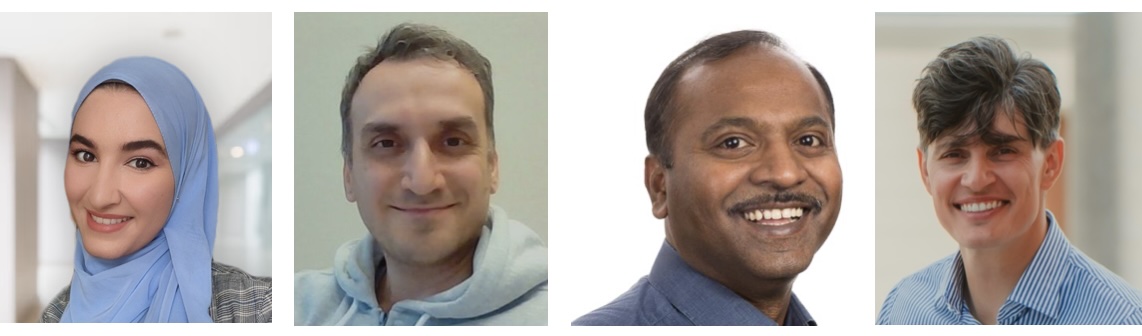
From left: R. Laidi, M. Zoofaghari, I. Balasingham and M. Veletic

Four researchers from the Wireless Sensor Network Research Group, led by Prof. Ilangko Balasingham at The Intervention Centre, Division of Technology and Innovation, have secured three major research grants.
Each project has been awarded NOK 12 million by the Research Council of Norway, totaling NOK 36 million, under the call for Enabling Technologies: Renewal and Development of ICT. Together, these projects aim to revolutionize biomedical communication systems by introducing semantic intelligence across different layers—from understanding the meaning of information, to applying it within the body, to deploying it across distributed healthcare networks.

Thomas Fleischer named Researcher of the Year 2025 at Institute for Cancer Research

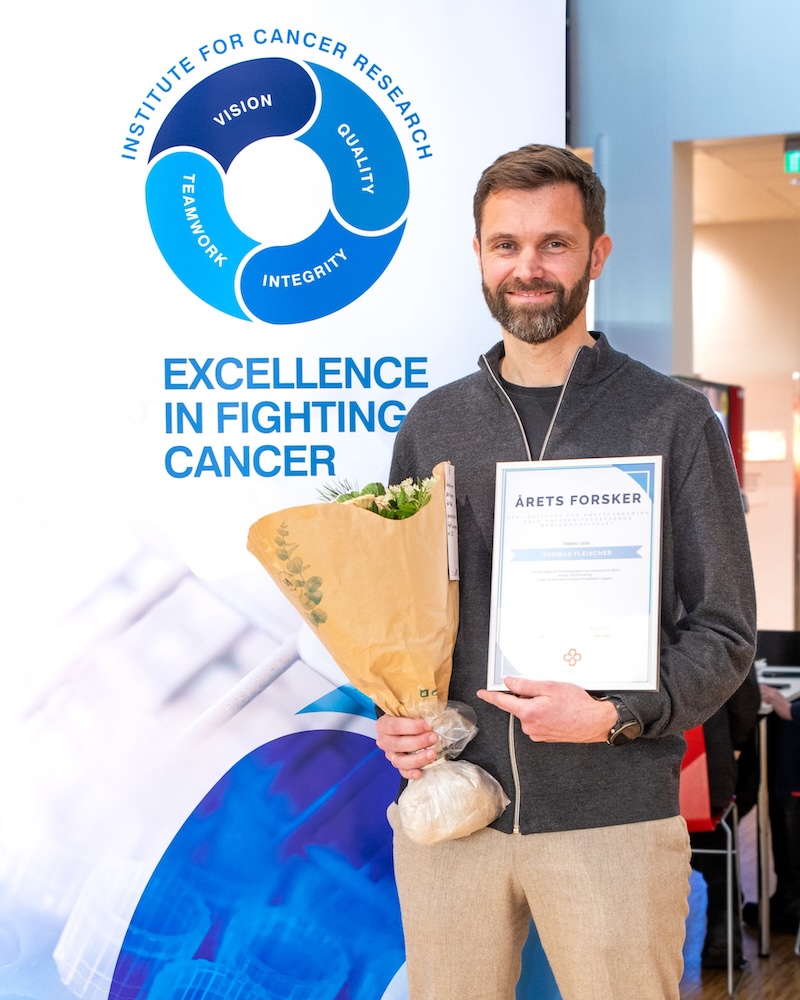
Thomas Fleischer. Photo: Per Marius Didriken, OUS.

Thomas Fleischer, project leader at Institute for Cancer Research (ICR), Oslo University Hospital, has been awarded the Researcher of the Year 2025 prize by the ICR leadership.

The prize was presented at the Institute seminar on December 17 and includes a personal scholarship of 100,000 NOK funded by the Radium Hospital Foundation to support further research excellence.

More news from the archive