News

New Nucleic Acids Research paper: Exploring the genetic landscape of ciprofloxacin-induced DNA supercompaction in Escherichia coli

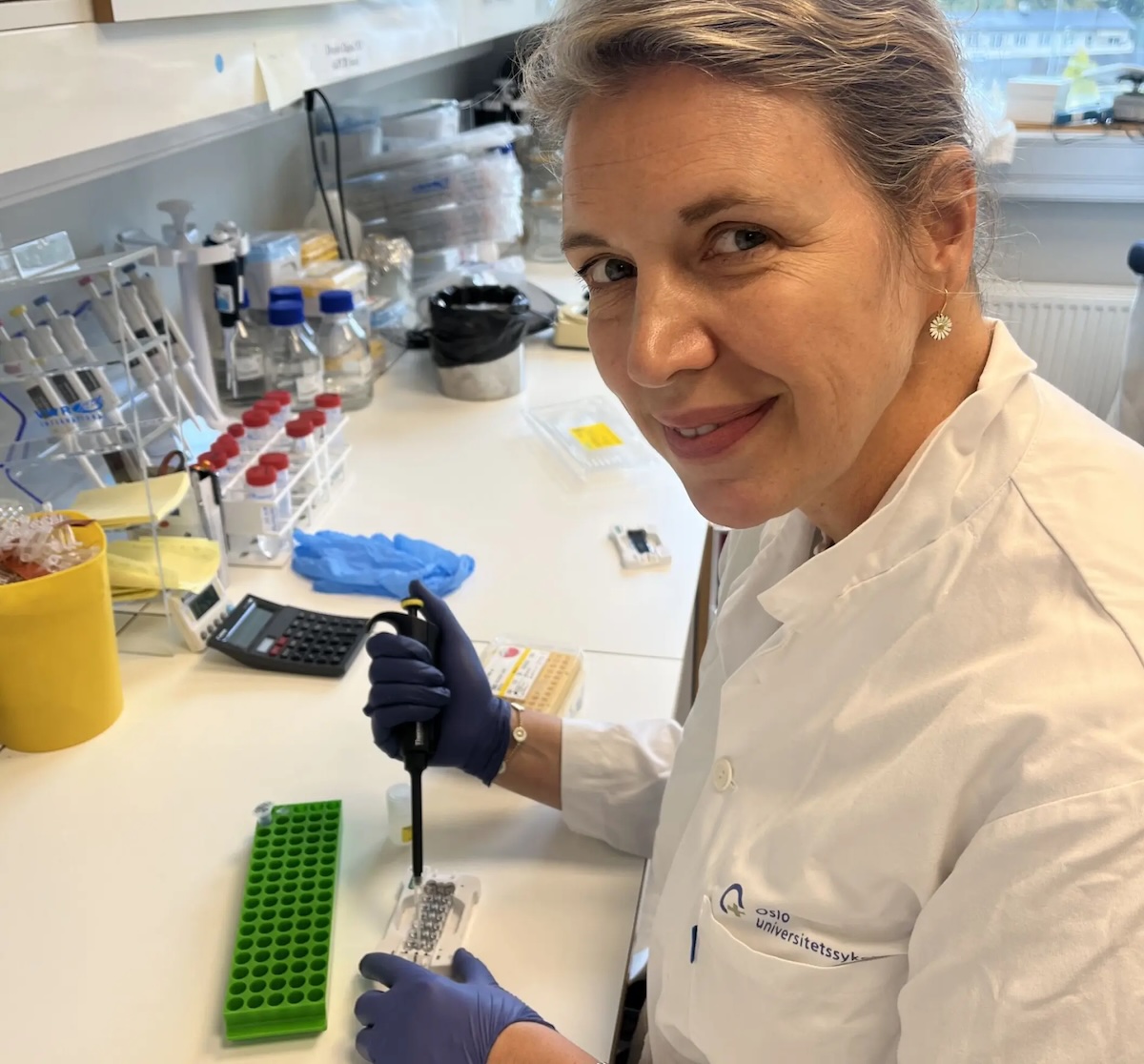
Kirster Vikedal
Kirster Vikedal

Work by Krister Vikedal from the Bacterial Defense Systems and Antimicrobial Resistance Group led by James Booth and Emily Helgesen at the Department of Microbiology shows that combining high-content imaging with machine learning is a powerful, scalable way to map how bacterial genes shape chromosome organization and DNA damage responses. The modular nature of the developed method means it can readily be extended to other gene libraries, stress conditions, reporters, or bacterial species. These insights bring us a step closer to understanding — and ultimately combating — antibiotic resistance.

New Nucleic Acids Research paper: The RecBCD complex interacts directly with the DNA sliding clamp in Escherichia coli

Ida Mathilde Marstein Riisnæs (left) and Synnøve Brandt Ræder

A tiny protein ring at the heart of DNA copying may have a bigger role in genome repair than previously thought, according to new research from the Bacterial Defense Systems and Antimicrobial Resistance Group. Results published in New Nucleic Acid Research shows that a small ring-shaped protein at the heart of DNA copying, the β-clamp, plays a more direct role in this emergency repair than previously recognized. The finding strengthens the parallel between bacterial and eukaryotic DNA-maintenance systems and raises new questions about how cells integrate copying and repair to protect their genomes.
The study was led by joint first authors Ida Mathilde Marstein Riisnæs and Synnøve Brandt Ræder, with collaborators at the University of Oslo, the Norwegian University of Science and Technology (NTNU), and the University of Copenhagen.

OUS Researcher Awards 2026 - ceremony June 12th Excellent researcher awards to Kristina Hauge, Ida Lindeman and Nicola Pietro Montaldo

Three Oslo University Hospital scientists received prestigous awards for their outstanding research on June 12th 2026.
The major prize - the "Excellent Researcher Award" - went to Kristina Haugaa. 
Ida Lindeman and Nicola Pietro Montaldo both received the "Early Career Award".
The prize money - 400.000 and 200.000 NOK respectively - is earmarked for research activities.

Innovation funding for two researchers from the Department of Microbiology

Arranz (left) and Brunvoll

The UiO Growth House help researchers to mature early-stage ideas. The University of Oslo has in 2026 allocated NOK 5 million for early-stage innovation projects in two categories.
Lorena Arranz, Leader of the Stem Cells, Ageing and Cancer group and Deputy Director of SFF CRESCO, has received NOK 400 000 for the test and further development phase of a succinate analogue suitable for therapeutic applications in cancer.
Sonja Hjellegjerde Brunvoll, Researcher in the Genome and Epigenome Regulation in Embryo Development, Ageing and Disease group, has received NOK 50 000 for her project ONCOFAST; Intermittent fasting during chemotherapy – a randomized feasibility study.

Project funded through prestigious programme: Norwegian researchers awarded major grant to uncover how cells remember starvation

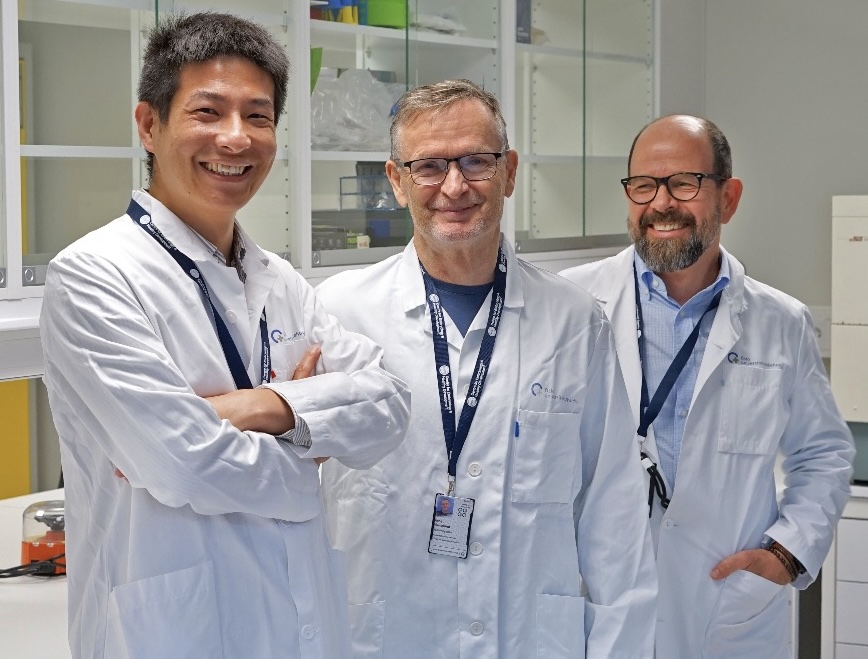
Enserink and Knævelsrud

A team of researchers led by Jorrit Enserink from Oslo University Hospital and Helene Knævelsrud from the University of Oslo has been awarded 40 million NOK from the Research Council of Norway to investigate a fundamental biological question: Can cells remember being starved, and does that memory change how they behave in the future?

The project, called Total Recall (Learn–Recall–Forget: Causal Circuits of Starvation Memory for Population Coherence in Homeostasis and Development), was funded through the prestigious "Toppforskere" programme, which supports research teams with the potential to become world-leading in their field.

Press release: SUMOylation inhibition drives an epigenetic "Switch" to reprogram fat cells, sugesting novel strategies to ameliorate metabolism

Patrizia Nothnagel (first author) and Pierre Chymkowitch (senior author)

The group of Dr. Pierre Chymkowitch (Dept. of Microbiology, OUS and IBV, UiO), and their collaborators at NCMBM and IMB, have made a step forward to understanding how fat cells keep their identity and can be reprogrammed. Published in Nucleic Acids Research, the work demonstrates that a brief pharmacological inhibition of SUMOylation using the small molecule TAK-981, when combined with the PPARG agonist rosiglitazone, stably "imprints" a beige differentiation fate in human adipose stem cells. Unlike typical white fat cells that store energy, beige cells can burn fat to generate heat through a process called adaptive thermogenesis or beiging.

New Nature Microbiology paper: Long-term HIV-1 remission achieved through allogeneic haematopoietic stem cell transplant from a CCR5Δ32/Δ32 sibling donor

Mari Kaarbø, Group leader of the Virology Research Group, and collaborators report a case of sustained HIV remission following stem cell transplantation from a CCR5Δ32/Δ32 donor.

This paper describes a 63-year-old man living with HIV who received such a transplant from his brother to treat myelodysplastic syndrome, a blood disorder. After the transplant, his blood and immune system were entirely replaced by his brother’s cells. Two years later, he stopped taking HIV medication.

New EMBO Molecular Medicine paper: CDK12/CDK13 inhibition disrupts transcriptional elongation and replication fork progression in glioblastoma

Pandey group
Pandey group

Deo Prakash Pandey, leader of the "Targeting tumors of central nervous system" research group at the Department of Microbiology, and collaborators have identified a promising new therapeutic strategy for glioblastoma, the most common and aggressive malignant brain tumor in adults.
Glioblastoma cells, particularly glioblastoma stem cells, rely on abnormally high transcriptional activity driven by neurodevelopmental transcription factors. The study shows that these stem cells are selectively vulnerable to inhibition of the transcriptional cyclin-dependent kinases CDK12 and CDK13, while inhibition of other transcriptional kinases such as CDK7 and CDK9 results in broader, non-specific toxicity.

ClinVir joins the new EU-project ONWARD: Together we move forward!

Susanne Dudman
Susanne Dudman

This project aims to combat the most common cause of acute viral hepatitis, zoonotic hepatitis E, in a One Health perspective. More than 30 European countries participate with a total of 150 members joining.
Susanne Dudman is representing Norway and is leading work group 2, focusing on clinical management. The group aims to establish robust and comparable clinical trial frameworks, standardize outcome measurements, and support the identification and development of antiviral therapies.

Early Blood Test May Predict Parkinson’s Disease Decades Before Symptoms

Annikka Polster and Nicola Montaldo

Annikka Polster, Nicola Montaldo and Hilde Nilsen, from the Genome instability in disease and ageing group at OUS, has together with their collaborators identified a blood-based “signature” that may reveal Parkinson’s disease (PD) 10–20 years before classic motor symptoms like tremors and stiffness appear. The results were recently published in NPJ Parkinson’s Disease.
Parkinson’s is usually diagnosed only after many of the brain cells that control movement are already lost. This study asked whether early molecular warning signs can be detected in the blood long before diagnosis. 

New Nature Communications paper Succinate receptor 1 restricts hematopoiesis and prevents acute myeloid leukemia progression

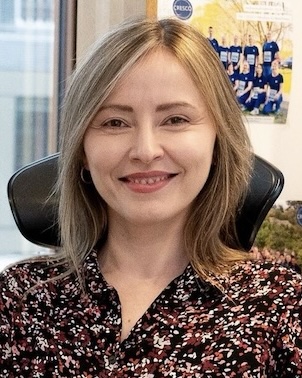
Cuminetti and Arranz

Lorena Arranz, leader of the Stem Cells, Ageing and Cancer group and Deputy Director of CRESCO, and Vincent Cuminetti, researcher in her group, are first and last authors of this Nature Communications paper.

The team investigated a cell surface sensor called SUCNR1 (the succinate receptor) and how it affects blood stem cells and acute myeloid leukemia (AML). They found that SUCNR1 acts like a brake on blood stem cell activity and helps prevent leukemia from progressing. 

New Nature Communications paper: Major waves of H2A.Z incorporation during mouse oogenesis and preimplantation embryo development
Madeleine Fosslie
Madeleine Fosslie

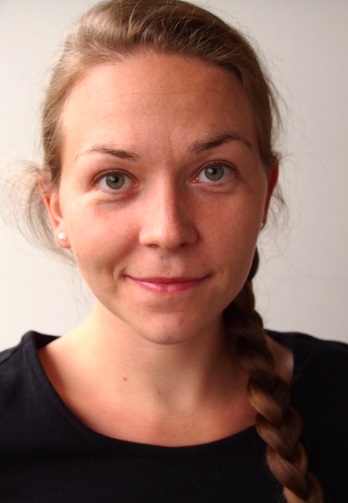
Madeleine Fosslie, researcher in the Genome and Epigenome Regulation in Embryo Development, Ageing and Disease group at the Department of Microbiology, and Erkut Ilaslan, researcher at University of Copenhagen, are first authors on this Nature Communications paper. This study sheds light on the fundamental biology of how the genome is restructured and reprogrammed during the transition from egg to early embryo.
This study examines how DNA is organized and regulated in mouse egg cells and very early embryos by following a protein called H2A.Z, one of the proteins around which DNA is wrapped inside the cell. 
9 million NOK in HSØ funding for the project Navigating the Tunnel

Emma Lång
Emma Lång

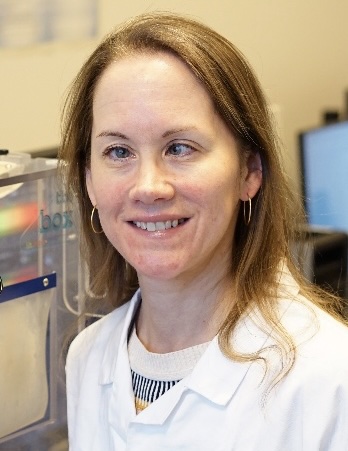
Emma Lång, member of the "Cell and tissue dynamics research group" at the Department of Microbiology, has received 9 million NOK in funding from Helse Sør-Øst RHF for her project "Navigating the Tunnel: Keratinocyte Dynamics & Therapeutic Targeting of IL-17 in Hidradenitis Suppurativa".

This interdisciplinary study aims to uncover the underlying cellular mechanisms of the chronic inflammatory skin disease, Hidradenitis Suppurativa (HS). HS is a debilitating disease that severely impacts patients’ quality of life, with current treatments being insufficient and late diagnosis complicating care.

Regional research funding to Lorena Arranz: 9 million NOK to the NEUROTARGET project

Lorena Arranz
Lorena Arranz

Lorena Arranz, leader of the Stem Cells, Ageing and Cancer research group at the Department of Microbiology and Deputy Centre Director of CRESCO, has received 9 million NOK in funding from Helse Sør-Øst RHF for her project NEUROTARGET: The nervous system as a druggable vulnerability in myeloid blood cancers.

Helse Sør-Øst RHF has awarded regional research funding to 96 research projects starting in 2026. The projects cover a wide range of disciplines and aim to contribute new knowledge and improved patient care. Lorena Arranz received funding from the thematic open structure, available to all research areas in the specialist healthcare services.

Can young blood slow down the aging process?

Arne Søraas
Arne Søraas

A research team led by Arne Søraas at Oslo University Hospital is competing for more than one billion NOK in an international XPRIZE contest to demonstrate that treatment with young blood plasma can slow the aging processes. The project’s primary aim is to investigate whether plasma from young donors can stabilize or reduce cognitive decline in patients with early Alzheimer’s disease. The idea may sound like science fiction, but it builds on longstanding animal experiments in which socalled parabiosis showed that blood from young animals can produce measurable improvements in the brain function of older animals.

Yanjiao Li granted 10 million in FRIPRO funds to improve IVF treatments

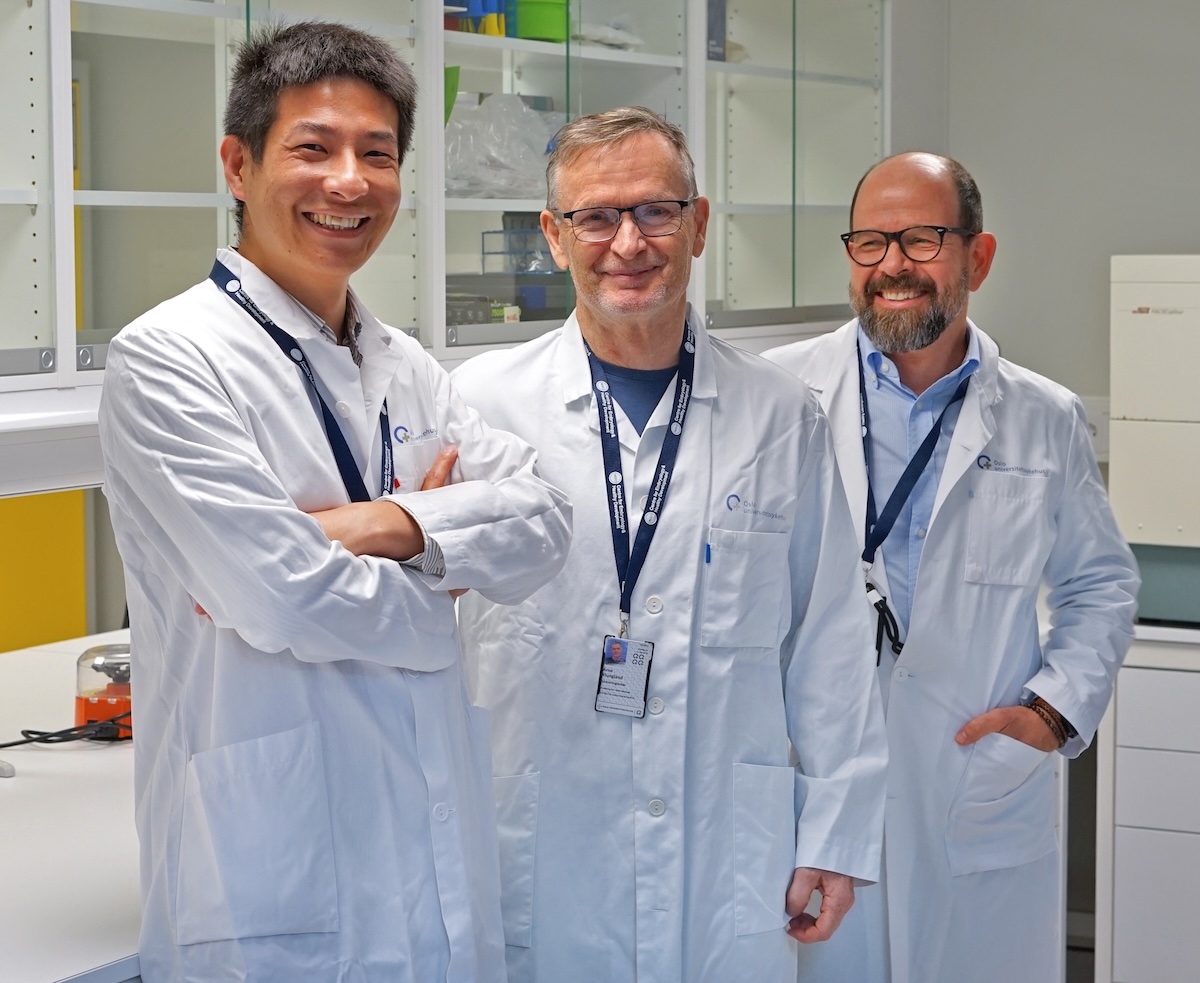
Yanjiao Li, Arne Klungland and Peter Fedorcsak. Photo: Guro Flor Lien

Yanjiao Li, researcher form the Department of Microbiology at Oslo University Hospital and CRESCO Centre for embryology and healthy development (UiO), has received 10 million Norwegian kroner in FRIPRO funding from the Research Council of Norway. FRIPRO is awarded for frontier research with the potential to push the boundaries of knowledge.
One in six people experiences infertility. Assisted reproductive technologies (ARTs)-babies now account for 6% of all newborns. Although in vitro fertilization (IVF) helps many, it still fails often. Only about half of the fertilized eggs grow into blastocysts, the stage where they are implanted in the uterus. Not every transferred embryo results in pregnancy.

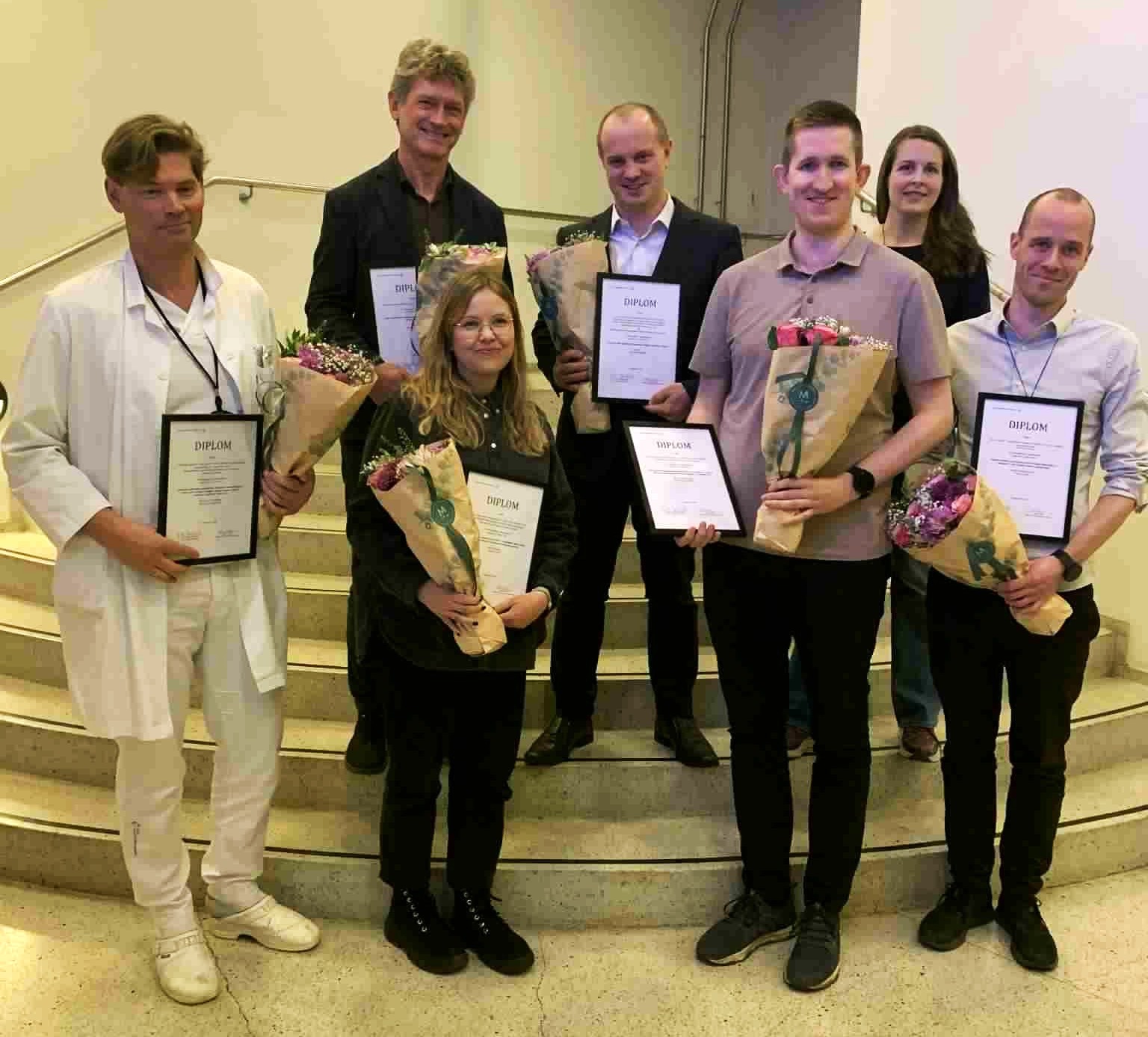
Ceremony on December 3rd Oslo University Hospital has awarded 6 excellent articles for the first half-year of 2025

In order to stimulate excellent research and draw attention to the hospital's research activity, Oslo University Hospital rewards outstanding publications twice a year. Six research groups were awarded for their excellent papers published the first half-year of 2025 during a ceremony on December 3rd. Each group received NOK 50.000 earmarked for further research, and the prize winners gave short presentations of their findings.

The awards for outstanding research articles are distributed twice a year based on more than 2,400 scientific articles published annually by OUS. The division's research committees nominate the articles and an external committee evaluates and finally selects the six worthy winners.

Blog post about fertility

Yanjiao Li, Arne Klungland and Peter Fedorcsak. Photo: Guro Flor Lien

One in six couples worldwide struggle with infertility, and the number is rising. In Norway, the fertility rate has fallen by almost 30% in the past decade, and 6% of children are now born through assisted reproductive technology (ART).  Yanjiao Li, researcher at Oslo University Hospital and Centre for Embryology and Healthy Development (CRESCO), has written a blog post for the Oslo University Hospital blog OUS Insight. 

The “Oslo patient” – probably cured of HIV

Photo: Grete Hansen, Bioingeniøren

Mari Kaarbø, leader of the Virology Research Group at Oslo University Hospital, was interviewed by the journal Bioingeniøren after leading one of the research teams that collaborated on the “Oslo patient” project. Kaarbø has been primarily responsible for the careful examination of the patient’s blood and gut cells to identify HIV reservoirs. The patient has been off treatment and clinically virus‑free for nearly three years.