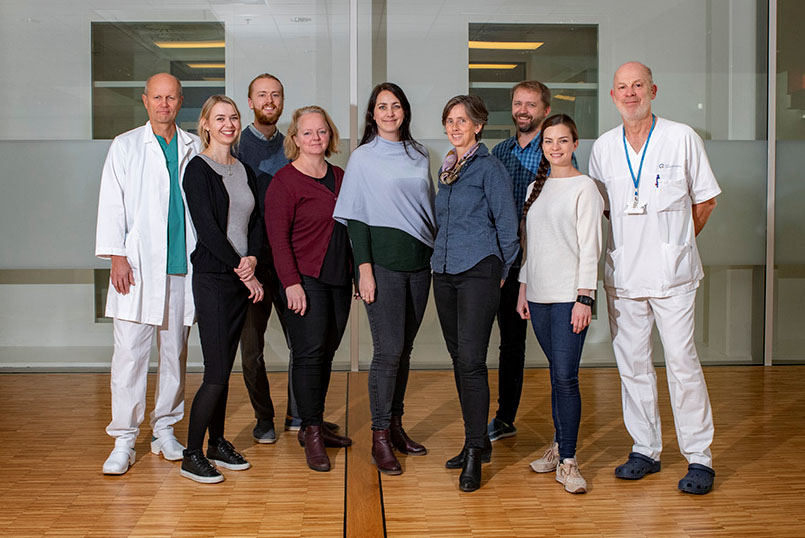
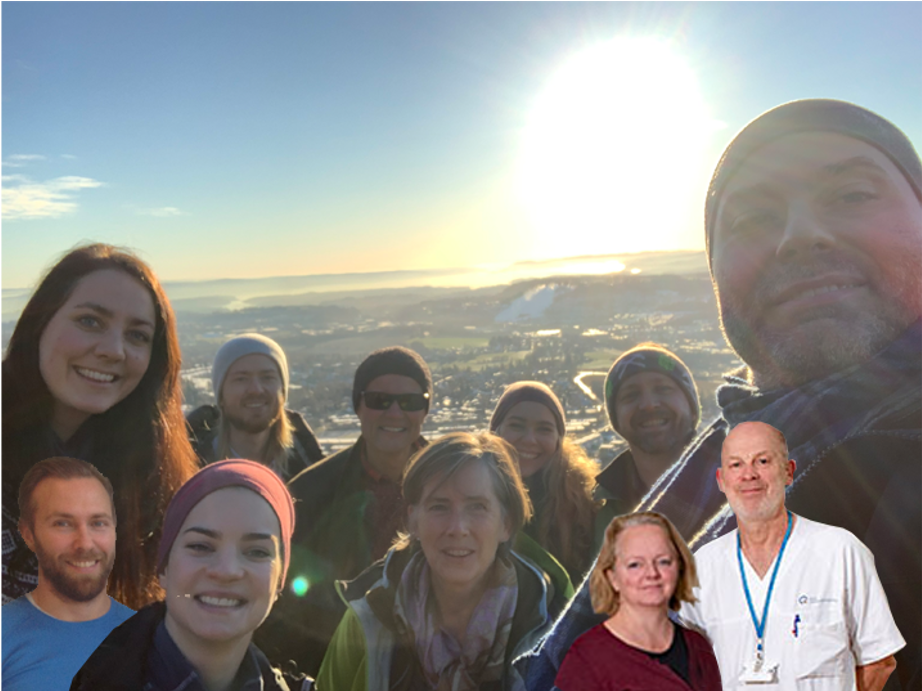
Welcome to Group of Urological Molecular Biology
We aim to improve prostate cancer management by bringing biomarkers to the clinic that can be used for risk stratification and treatment guidance. Furthermore, we are studying how sympathetic signaling controls progression of prostate cancer into a lethal disease in order to determine the role Beta-Blockers in future cancer treatment.
The treatment landscape of advanced prostate cancer is rapidly evolving, with new drugs reaching the market and new indications for these agents approved. Biomarkers to guide treatment decisions are needed to improve cancer care for these patients and new drugs wanted to improve therapy responses.
Repurposing out-of-patent drugs for treatment of cancer is a desirable approach that saves time and money during development, has a low cost in use, and the pile of safety data that have been collected over many years.
Such drug candidates are identified through epidemiological register studies. Their causative role and mechanism of action are studied in cell lines and animal models, and the ultimate goal is to test the drugs in randomized clinical trials.
Sustainable precision medicine requires clinical implementation of molecular tests or biomarkers. To identify biomarkers that will make their way into clinical use requires a deep understanding of the long way from discovery to clinical use. Inter-disciplinary collaborations are needed to be successful as well as international networks for validation studies.
The leader of the group is senior scientist Kristin Austlid Taskén (PhD), who also holds a position as professor at the Insitute for Cancer Research, Oslo University Hospital.